

Wasp Nest Treatment: What to Do Before a Small Problem Turns Bigger
Most people notice wasps in the same way.
One or two flying near a window. A few around the garden. Then suddenly, there are more of them every day, usually going in and out of the same spot.
That’s normally when people realise there could be a nest nearby.
During the warmer months, calls for wasp nest treatment increase quickly because nests become more active and easier to notice around homes, lofts, sheds, roof spaces, and wall cavities.
At The Original Kent Wasp Control, we help homeowners deal with wasp nests safely and professionally without the risks that come with trying to handle the problem alone.

Why Are Wasps More Active in Warmer Months?
As temperatures rise, wasp activity naturally increases. They leave the nest more frequently, searching for food, which is usually when homeowners begin spotting them around the property.
You might notice:
- Wasps are entering the roof gaps
- Activity near loft spaces
- Wasps around air vents
- Increased movement near sheds or garages
- Constant buzzing around one area
A lot of people ignore it at first, hoping the problem disappears on its own. But active nests normally grow larger as the season continues.
That’s why early wasp nest treatment is usually the safer option.
Common Places Where Wasp Nests Are Found
Wasps look for sheltered spaces that stay quiet and protected.
Some of the most common areas include:
- Lofts and attics
- Wall cavities
- Roof spaces
- Garden sheds
- Garages
- Under the roof tiles
Nests are often built in such a place that is always dark, warm, and undisturbed.
And in reality, most people only find out the real activity of the nest after they begin to experience buzzing from their ceiling or walls.
Should You Try Removing a Wasp Nest Yourself?
Many people consider DIY spraying and dismantling the nest themselves. However, this soon turns into a risky venture.
Wasps always get agitated when they sense any danger near them, particularly in the vicinity of their nest. If the nest is disturbed, it leads to several wasps coming all at once.
Wasp nest treatment is one way that addresses both the nest and the risk of being attacked by stings.
Seen More Wasps Than Usual Around the House Lately?
That is normally the first alarm signal. Where wasps continue flying back to the same area repeatedly after every few minutes, there is likely a nest somewhere in the vicinity. People often notice this around:
- Gutters
- Loft entrances
- Fascias
- Air bricks
- Roof edges
The earlier the issue is dealt with, the easier it normally is to manage.
Signs You May Need Wasp Nest Treatment
This can sometimes happen even if the actual nest is hidden somewhere, since its presence can be detected through other things taking place on the property.
These include:
- A steady stream of wasps entering one area
- Buzzing sounds in walls or ceilings
- Wasps gathering indoors near loft spaces
- Increased activity during the daytime
- Visible nest structures in sheds or roof spaces
It’s important not to block entry points yourself because trapped wasps often look for another way out.
Why Professional Treatment Matters?
There’s a big difference between seeing a few wasps outside and dealing with an active nest properly.
At The Original Kent Wasp Control, we provide wasp nest treatment designed to target the problem directly and safely. We understand where wasps commonly nest and how to approach different areas of a property without causing unnecessary disruption.
Professional treatment helps:
- Reduce safety risks
- Treat active nests effectively
- Prevent further disturbance
- Handle hard-to-reach nest locations
- Give homeowners peace of mind
For many people, the biggest relief is simply knowing the problem is being handled properly.
What Happens During Wasp Nest Treatment?
A lot of customers are unsure what the process actually involves.
Normally, the first thing to be determined is the precise location of the nest prior to any treatment procedure being conducted.
After treatment, activity around the nest gradually reduces. The important thing is avoiding disturbance before professional treatment takes place.
Our Approach at The Original Kent Wasp Control
At The Original Kent Wasp Control, we deal with wasp nest problems across residential properties and understand how stressful active nests can become, especially during peak season.
We focus on:
- Safe wasp nest treatment
- Identifying nesting areas
- Treating loft and roof space nests
- Helping homeowners deal with active infestations quickly
Our objective is to ensure that this process is simple for the homeowner while allowing them to feel secure once again on their property.
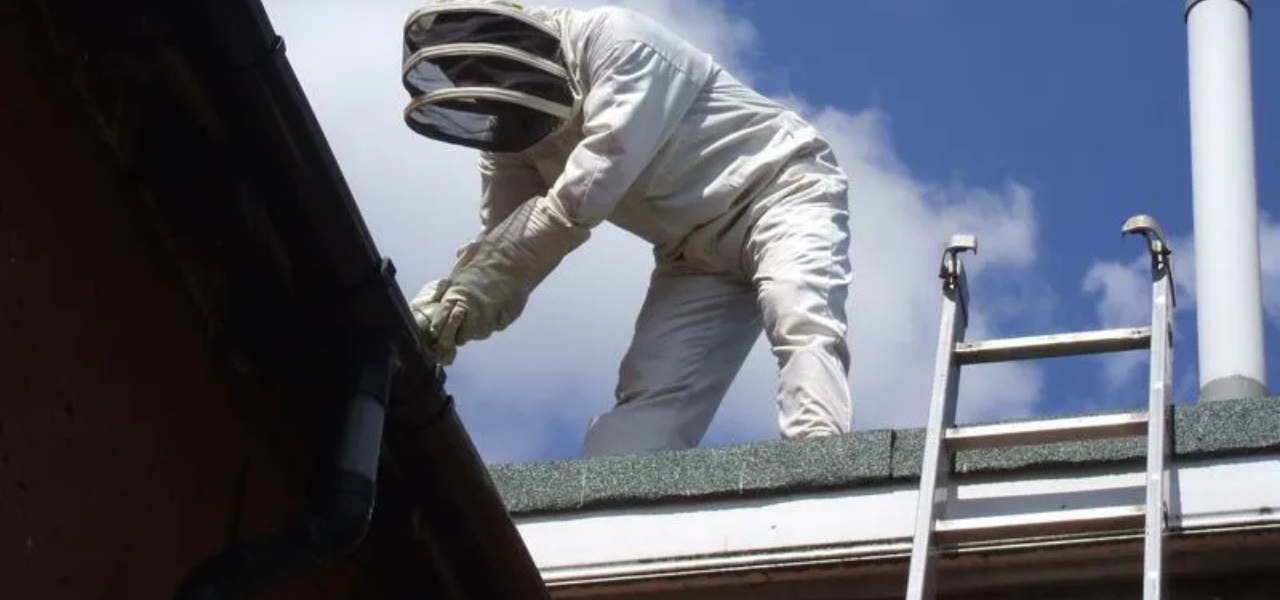
The presence of an active wasp’s nest does not remain unnoticed for very long, particularly in times of hot weather, which tends to cause a higher level of wasp activity.
The need for wasp nest treatment will become evident when one observes constant wasp activity, odd buzzing noises, and movement within the loft or roof areas of their property.
At The Original Kent Wasp Control, we offer safe and professional services to assist homeowners with their wasp infestation.
FAQs
1. What is wasp nest treatment?
Wasp nest treatment is the professional management of active wasp nests.
2. Where are wasp nests located?
Wasp nests can be located inside the loft, roof voids, sheds, walls, and garages.
3. Is it dangerous to manage wasp nests yourself?
It may prove dangerous for the individual removing the nest since disturbed wasps may get irritated.
4. How do I know if I have a wasp nest?
A concentration of wasps at one point on the premises is usually a clear indicator of a wasp nest.
5. Does The Original Kent Wasp Control treat loft wasp nests?
Yes, we provide treatment for wasp nests in lofts, roof spaces, and other common nesting areas.