

Best Treatment for Wasp Sting Swelling and Pain at Home
You never really expect a wasp sting until it happens.
One minute you’re outside enjoying the weather or sorting something in the garden, and the next minute your skin’s burning and starting to swell up. Most people instantly search for treatment for a wasp sting because, honestly, it’s difficult to tell what’s normal and what’s not.
At The Original Kent Wasp Control, we deal with wasp problems every summer, and a lot of the calls we get actually start with someone in the house being stung. In many cases, people don’t even realise there’s a nest nearby until that point.
So if you’ve recently been stung and want simple advice that actually makes sense, here’s what we normally tell customers.

What Should You Do After a Wasp Sting?
First thing – don’t overthink it.
Most wasp stings are painful and irritating, but they settle down on their own after a couple of days.
The best thing to do straight away is to wash the area properly with cool water and a bit of soap. After that, put something cold on it. An ice pack helps, but realistically, most people just grab frozen peas from the freezer, and that works perfectly fine too.
Cooling the area usually helps reduce:
- Swelling
- Redness
- Itching
- That throbbing pain afterwards
We also tell people not to keep touching or scratching the sting because that normally makes it feel worse.
How Long Does Wasp Sting Swelling Last?
This is probably the question we hear most.
For most people:
- The pain settles within a few hours
- Swelling lasts around 1 or 2 days
- Itching can hang around a little longer
The part that worries people is when swelling spreads slightly around the area. But honestly, that’s pretty common, especially on hands, feet, or around the ankle.
It doesn’t always mean something serious is happening. For most people, simple treatment for wasp sting symptoms at home is usually enough.
When Should You Actually Be Concerned?
Most stings improve on their own, but there are times when you shouldn’t just “wait and see”.
If somebody starts getting:
- Breathing problems
- Dizziness
- Swelling around the throat or lips
- Chest tightness
- Severe swelling spreading quickly
It is therefore critical to seek immediate medical attention.
Fortunately, severe allergies are rare, but they are a condition that people need to be aware of.
At The Original Kent Wasp Control, we always tell people that quick treatment for wasp sting reactions can help reduce discomfort and stop the area from becoming more irritated.
Do Wasps Leave Their Stinger Behind?
Not usually; wasps are frequently mistaken for bees.
Wasps can sting repeatedly because they don’t leave their stingers behind. If you see something stuck in the skin, however, gently scrape it out instead of using tweezers.
Simple is usually best.
Why Are Wasps Suddenly Around Your House?
This is where things normally start making sense for people.
One wasp flying around outside during the summer isn’t unusual. But if you’re constantly noticing them near:
- The loft
- Roofline
- Shed
- Garage
- Wall vents
- Garden seating areas
There’s a good chance a nest is nearby.
A lot of customers contact us after somebody in the house gets stung more than once in the same area.
It’s then that they understand that the wasps aren’t simply something appearing “out of nowhere.”
Can You Remove a Wasp Nest Yourself?
Some people try to. Some also regret it almost immediately.
What makes a wasp nest difficult to deal with is that wasps tend to react very fast after being disturbed. We’ve seen many homeowners try supermarket sprays first before eventually calling us when the activity gets worse.
At The Original Kent Wasp Control, we use professional treatments designed to deal with the nest properly instead of just targeting the wasps flying around outside.
And more importantly, we do it safely.
Why Professional Wasp Control Makes a Difference?
Most people only search for treatment for a wasp sting after somebody’s already been hurt.
However, there are times when the main concern isn’t really the stings but the nest itself. This is why we always recommend getting to the root cause of the problem rather than letting more stings occur.
Our team helps homeowners safely remove wasp nests from:
- lofts
- sheds
- wall cavities
- roof spaces
- garages
- gardens
So families can actually feel comfortable outside again.
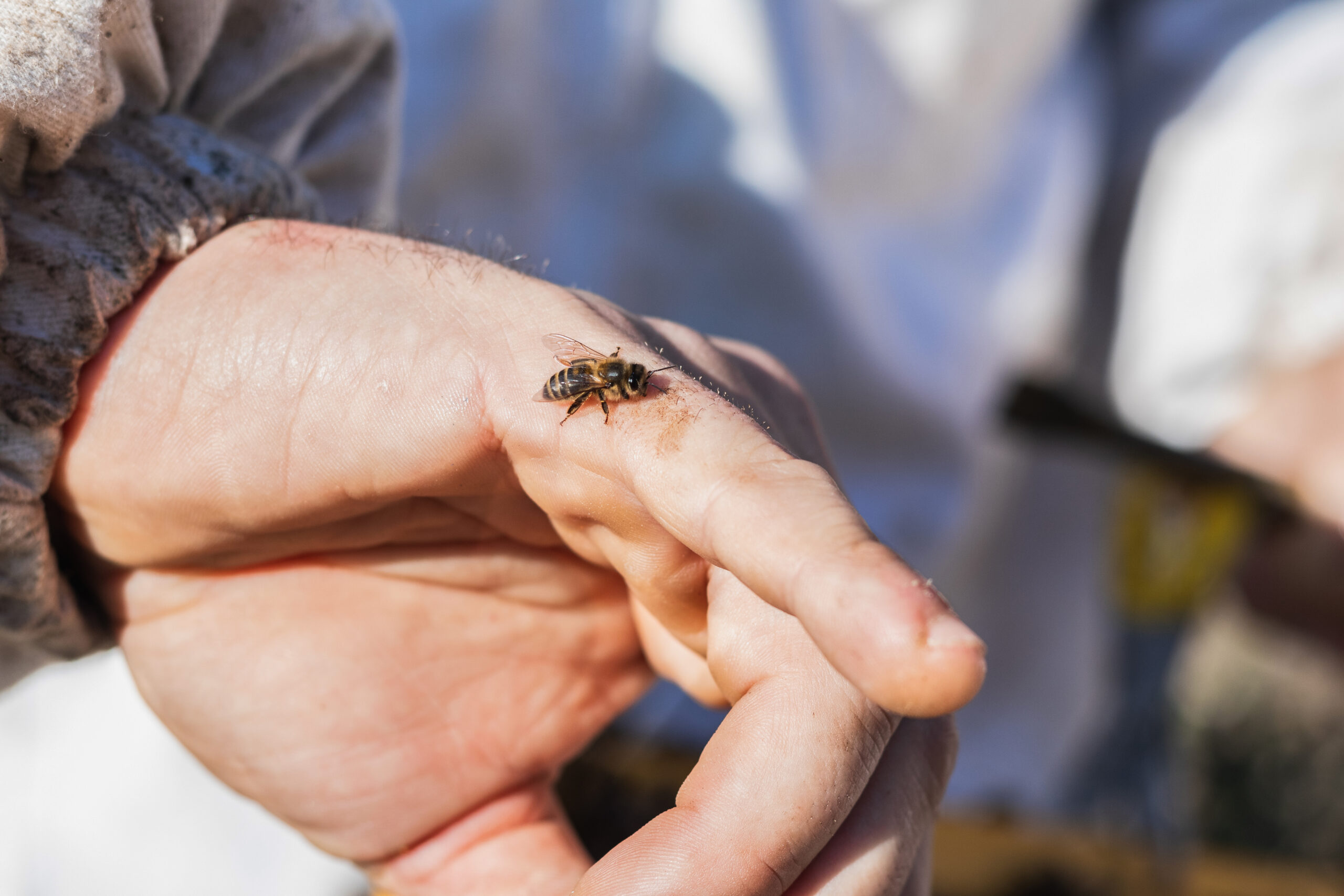
Being stung by a wasp may be very unpleasant, especially when swelling suddenly appears, and you’re unsure whether it’s normal.
Most of the time, treatment for a wasp sting, such as applying a cool compress, maintaining hygiene of the affected area, and not scratching, would do fine for relieving the symptoms.
If one keeps encountering wasps and being stung, then obviously, there is something serious going on, which should be addressed.
At The Original Kent Wasp Control, we help homeowners treat the real cause safely before it turns into an even bigger issue later on.