

Wasp Nest Removal: 5 Hidden Places Around Your Home Wasps Commonly Choose
Most homeowners expect to find wasp nests in obvious places like trees or garden sheds. However, the truth is that wasps are much choosier when searching for a nesting location. They usually choose warm, sheltered areas where their colony can grow without disturbance, making early wasp nest removal important before the problem becomes more serious.
Our team at The Original Kent Wasp Control frequently assists property owners in the area by getting rid of wasp nests built in unlikely parts of the property. Understanding where wasps prefer to nest can help you spot early warning signs and act quickly.
Why Wasps Prefer Hidden Nesting Areas?
Wasps instinctively seek out spots that can afford them protection against the elements and their daily activities. Quiet areas that remain undisturbed during spring and summer are often the first places wasps choose.
Common Features Wasps Look For Include:
- Warmth and shelter
- Small entry points
- Minimal disturbance
- Easy access to gardens and food sources
Since many nests are not easily noticeable, homeowners usually discover the situation once wasps become more evident near windows, roofs, or other outside areas.
1. Lofts And Roof Spaces
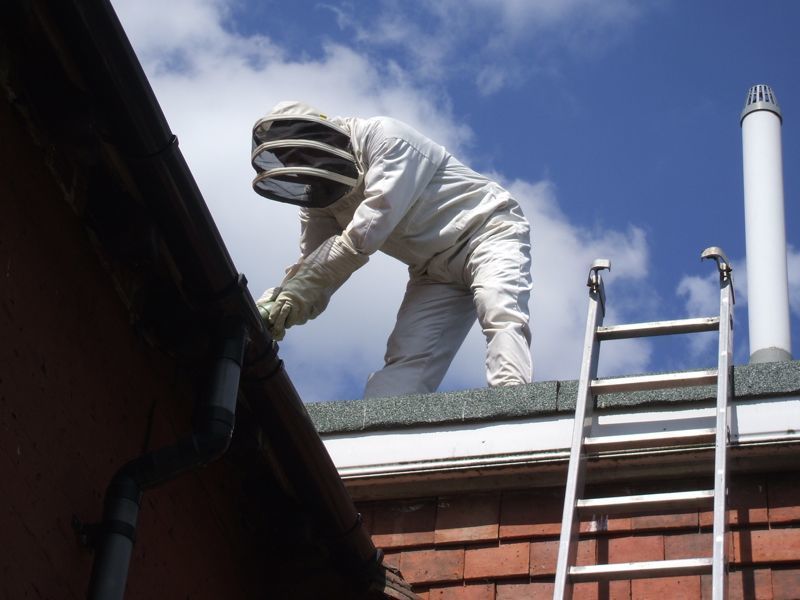
One of the most common places for a wasp nest in the roof is inside loft spaces or beneath roof tiles, which remain warm and protected enough to serve as an excellent breeding ground in the summertime.
You May Notice:
- Wasps flying repeatedly near gutters or roof edges
- Buzzing sounds in the loft
- Wasps are entering through small gaps in the roofline
- Increased wasp activity upstairs
Roof nests can be difficult to access safely, especially when hidden deep within the structure. In these situations, professional treatment is usually the safest option.
2. Sheds And Garages
Garden buildings are another common nesting spot for wasps. Sheds and garages tend to be quiet and enclosed spaces that are not always disturbed.
Wasps Commonly Build Nests:
- In the roof corners
- Behind storage shelves
- Under wooden beams
- Inside unused garden equipment
This often becomes a problem during the summer when people spend more time outdoors and can end up disturbing their nests.
3. Wall Cavities And Air Vents
Some are completely concealed within walls and vent sections. Wasps can enter through surprisingly small gaps around vents, brickwork, or pipe openings.
Typical Signs Include The Following:
- Continuous wasp movement through one small gap
- Buzzing sounds behind walls
- Wasps appearing indoors unexpectedly
- Increased activity around vents
Blocking the entry point without proper treatment is not recommended because the wasps will simply seek other means of entering the building.
4. Under Decking And Patio Areas
The presence of decking and elevated patios provides shelter and shade for these nests. The nest often goes unnoticed because it remains hidden beneath the decking.
This Becomes Especially Noticeable When the Following Occurs:
- Wasps gather near outdoor seating areas
- Activity increases during BBQs
- Children or pets play nearby
- Wasps repeatedly disappear beneath the decking boards
Early treatment with Kent Wasp Control can help prevent the colony from growing larger during peak season.
5. Behind Fascias And Guttering
Modern homes often have small gaps around guttering, soffits, and fascias. These gaps provide ideal shelter for developing colonies and allow wasps access in and out without being noticed.
Homeowners usually notice the issue when they see wasps repeatedly flying toward the same section of the roofline.
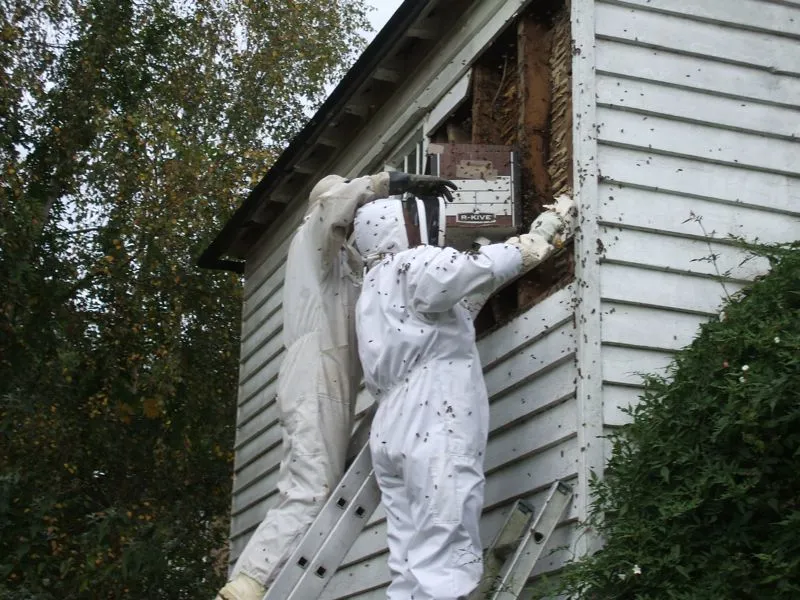
Because these nests are often located at height, professional treatment is the safest and most effective option.
Why Early Treatment Matters?
People tend to wait for the wasps to go away on their own. But colonies keep growing during warm weather conditions, thus increasing the wasp population and stinging incidents.
Early Treatment Is Especially Important When:
- Nest is close to doors or windows
- Children or pets are nearby
- Wasps are entering indoor spaces
- Nest is difficult to access safely
We help homeowners across Kent deal with active wasp nests quickly and safely.
Professional Support For Safer Results
Each nesting site will be different. Nests that are easy to see are not hard to spot. However, other nests can be hard to spot, as they are usually situated within structural crevices.
Our Process Focuses On:
- Locating the source of activity
- Assessing safe access points
- Using professional treatment methods
- Reducing disruption around the property
- Ensuring the nest is properly dealt with
Homeowners in need of emergency wasp nest removal in Kent should take swift action to ensure their home is safe.
Final Thoughts
Wasps are extremely good at finding hidden places around the home to build their nests. From roof voids and cavity walls to sheds and decks, most nests go unnoticed until there is far more activity than usual. Choosing professional wasp nest removal is increasingly important in these situations.
Spotting the warning signs early and arranging professional treatment can help prevent a small problem from becoming a larger infestation.
FAQs
1. What are the signs of a wasp nest in the roof?
Common signs include buzzing noises in loft spaces, repeated wasp movement near roof edges, and wasps entering through small gaps around tiles or fascia boards.
2. Is professional wasp nest removal safer than DIY treatment?
Yes, professional treatment helps reduce the risk of disturbing the colony and avoids unnecessary exposure to aggressive wasps.
3. How quickly should a wasp nest be treated?
It is best to arrange treatment as soon as you notice consistent wasp activity, as nests can grow rapidly during warmer months.
4. Do you offer emergency wasp nest removal in Kent?
Yes, we provide fast-response services for active wasp nest problems across Kent.